
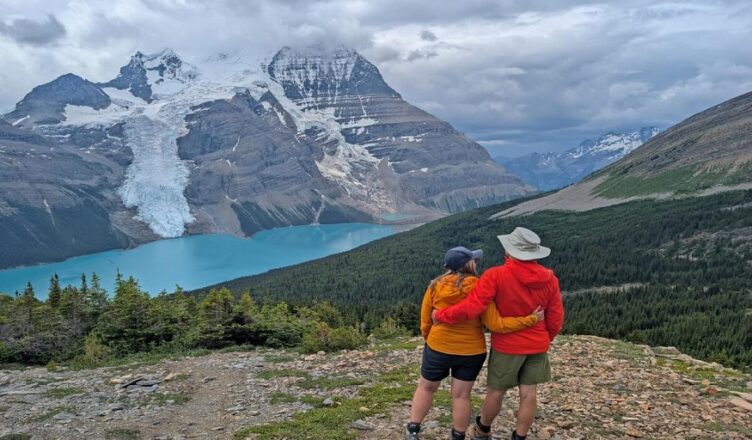
Nepal is home to some of the world’s most spectacular trekking destinations, and the Manaslu region stands out as a remarkable choice for travelers seeking natural beauty, cultural discovery, and genuine Himalayan adventure. Surrounded by dramatic mountain landscapes, traditional villages, ancient monasteries, and impressive glaciers, the Manaslu Circuit offers an unforgettable experience away from the busier trails of Nepal. However, before setting out on this extraordinary journey, understanding the Manaslu trek cost is essential for planning a comfortable and enjoyable adventure.
The total expense depends on several factors, including the trekking season, trip duration, accommodation preferences, transportation, permits, meals, and whether you choose a guided package or organize certain arrangements independently. Having a clear idea of these expenses helps hikers prepare a realistic budget without compromising safety or the quality of their experience.
Understanding the Manaslu Circuit Trek
The Manaslu Circuit Trek takes travelers around Mount Manaslu, the world’s eighth-highest mountain, standing at 8,163 meters. The route generally begins in the lower Budhi Gandaki Valley and gradually climbs through beautiful settlements, forested hills, suspension bridges, and alpine landscapes before reaching the spectacular Larkya La Pass at approximately 5,106 meters.
Along the journey, trekkers encounter traditional Gurung and Tibetan-influenced communities, ancient Buddhist monasteries, prayer flags, and breathtaking mountain scenery. Villages such as Namrung, Samagaun, and Samdo provide opportunities to experience local hospitality and understand the cultural traditions of the Himalayan region.
Most itineraries take approximately 12 to 16 days, depending on the starting point, acclimatization schedule, transportation arrangements, and chosen route.
How Much Does the Manaslu Trek Cost?
The overall Manaslu trekking budget generally ranges from approximately $900 to $2,000 per person for a standard organized trekking experience. Luxury arrangements, private transportation, additional acclimatization days, and customized itineraries can increase the total expense.
Here is an estimated breakdown of the major costs:
| Expense | Estimated cost |
| Restricted area permit | $75–$100+ |
| Manaslu Conservation Area Permit | $30 |
| Annapurna Conservation Area Permit | $30 |
| Licensed guide | $25–$40 per day |
| Porter | $20–$30 per day |
| Accommodation | $5–$15 per night |
| Meals | $20–$35 per day |
| Kathmandu to trekking region transport | $20–$100 |
| Travel insurance | $50–$150+ |
| Miscellaneous expenses | $50–$100 |
These are indicative planning estimates, not confirmed 2026 prices. Permit charges vary by season and applicable regulations, while transport, insurance, and trekking services depend on individual arrangements.
A complete trekking package may include permits, a licensed guide, accommodation, meals, transportation, and logistical support. Comparing package inclusions is important because a cheaper advertised price may exclude several necessary expenses.
1. Trekking Permits and Their Expenses
One of the most important elements of the Manaslu trek cost is the permit requirement. The Manaslu region is a restricted trekking area, meaning international visitors must follow specific entry regulations.
The main permits generally include:
- Manaslu Restricted Area Permit (RAP): The fee depends on the trekking season and the number of days spent in the restricted area.
- Manaslu Conservation Area Permit (MCAP): Required for entering the Manaslu Conservation Area.
- Annapurna Conservation Area Permit (ACAP): Required when the trekking route enters the Annapurna Conservation Area.
Foreign trekkers must also follow the applicable group and licensed-guide requirements. The usual arrangement involves at least two foreign trekkers and a registered trekking agency, subject to current regulations and exemptions.
Since permit charges and entry rules can change, confirming the latest requirements before departure is advisable.
2. Accommodation and Food Expenses
Accommodation along the Manaslu Circuit is primarily available through traditional teahouses and mountain lodges. These establishments provide basic rooms, shared bathroom facilities in many locations, and welcoming dining areas where trekkers can relax after a demanding day.
The accommodation cost usually ranges from $5 to $15 per night, although prices may vary according to location, season, and facilities. Higher-altitude villages often have fewer accommodation options, making advance planning particularly important during busy trekking periods.
Food is another essential part of the hiking budget. Most teahouses serve traditional Nepali dishes alongside familiar international meals. Popular options include dal bhat, noodles, fried rice, soups, potatoes, pancakes, and Tibetan bread.
Travelers should budget approximately $20 to $35 per day for meals and drinks. Prices generally increase as the trail climbs higher because supplies must be transported into remote mountain settlements.
3. Guide and Porter Charges
Hiring a licensed trekking guide is an important consideration when calculating the Manaslu trek cost. The restricted nature of the region, remote trails, changing weather, and high-altitude conditions make professional assistance particularly valuable.
A licensed guide generally costs around $25 to $40 per day, depending on experience, qualifications, language skills, and services included.
Porters are also available to carry trekking equipment and personal luggage. Their estimated daily charges range from $20 to $30. Hiring a porter allows hikers to walk with lighter daypacks and conserve energy for challenging sections of the route.
A knowledgeable guide can also introduce visitors to local customs, explain the region’s Buddhist heritage, assist with accommodation arrangements, and provide valuable support during unexpected situations.
4. Transportation Costs
Transportation expenses depend on how travelers reach the trailhead. Most Manaslu Circuit itineraries begin with a journey from Kathmandu toward Machha Khola or another suitable starting point, depending on road conditions and the selected itinerary.
Local buses are generally the most economical option, while shared jeeps offer greater convenience. Private jeep transportation is more comfortable and flexible, particularly for groups or travelers with limited time.
A reasonable transportation budget is approximately $20 to $100 per person, although private vehicle arrangements can cost more depending on the route, vehicle type, and group size.
Road conditions in the Himalayan foothills can change because of rainfall, landslides, and seasonal weather. Keeping some flexibility in the travel schedule is therefore recommended.
Read More: 10 Ways to Celebrate New Year’s Eve in Dubai Without Spending the Entire Night in Crowds
5. Best Season for Manaslu Hiking
Choosing the right season can influence both the overall budget and the quality of the trekking experience.
Spring (March to May): Spring offers pleasant temperatures, blooming rhododendrons, and increasingly clear mountain views. It is one of the most popular periods for trekking, so accommodation and guide services should be arranged early.
Autumn (September to November): Autumn is widely considered one of the best seasons for the Manaslu Circuit. Stable weather, excellent mountain visibility, and comfortable daytime temperatures make it particularly attractive. However, higher demand can increase the cost of trekking services.
Winter (December to February): Winter brings colder temperatures, snowfall, and potentially difficult conditions around Larkya La Pass. Some teahouses may close, and crossing the pass can become challenging.
Monsoon (June to August): Heavy rainfall, muddy trails, landslides, and cloudy conditions can affect the trekking experience. Travelers should carefully consider weather conditions before choosing this period.
For most hikers, spring and autumn provide the most reliable balance between scenery, accessibility, and trekking conditions.
6. Essential Equipment and Additional Hiking Expenses
Proper preparation is necessary for a successful Himalayan adventure. Even though many trekking companies provide logistical support, hikers should budget for personal equipment and additional essentials.
Important items include:
- Waterproof trekking boots and comfortable hiking socks.
- Insulated jackets and thermal clothing.
- Waterproof trousers and rain protection.
- A warm sleeping bag suitable for cold mountain conditions.
- Trekking poles and a comfortable backpack.
- Sunglasses, sunscreen, and a reusable water bottle.
- Personal medication and a basic first-aid kit.
If you already own suitable equipment, you can significantly reduce your preparation expenses. Otherwise, renting certain items in Kathmandu may be a practical alternative.
Travel insurance is another important consideration. Choose a policy that explicitly covers high-altitude trekking, emergency evacuation, and helicopter rescue where applicable. Check the maximum covered altitude and exclusions before purchasing.
7. Practical Ways to Reduce Your Manaslu Trekking Budget
Enjoying the Manaslu Circuit does not necessarily require an expensive travel package. With sensible planning, hikers can manage their expenses while maintaining essential safety standards.
Consider these practical strategies:
- Travel with a small group to share guide and transportation expenses.
- Book through a reputable trekking agency with transparent package inclusions.
- Carry essential personal equipment instead of purchasing everything in Kathmandu.
- Avoid unnecessary luxury arrangements in remote mountain villages.
- Plan your itinerary carefully to reduce unexpected transportation and accommodation expenses.
- Maintain sufficient funds for emergencies and unforeseen delays.
However, saving money should never mean compromising on a qualified guide, appropriate acclimatization, reliable insurance, or essential safety equipment.
Conclusion
The Manaslu Circuit Trek is an exceptional Himalayan adventure that combines spectacular mountain scenery, traditional mountain culture, and rewarding physical challenges. Understanding the Manaslu trek cost before departure allows travelers to organize their finances, select suitable services, and enjoy the journey with greater confidence.
Read More: 7 Things Tourists Often Forget Before Booking a Dubai New Year Cruise
With an estimated budget of $900 to $2,000 for a standard organized trekking experience, hikers can explore one of Nepal’s most beautiful and culturally rich mountain regions. Careful preparation, suitable equipment, professional guidance, and a well-planned itinerary make the experience more enjoyable and rewarding.
Ultimately, the best approach is to focus on value rather than simply choosing the cheapest package. With the right preparation and realistic details for hiking, the Manaslu Circuit can become an unforgettable journey through the heart of the Himalayas.