
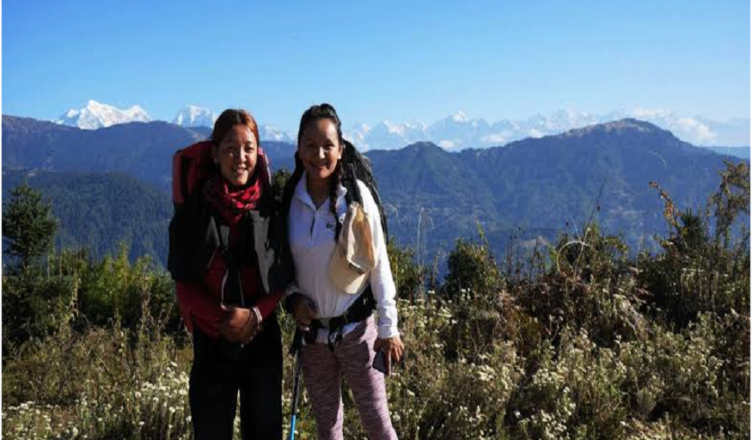
If you’ve spent any time researching an Everest trip, you’ve probably run into the same worry over and over: the Lukla flight. It’s short, it’s scenic, and it’s also notorious for delays, cancellations, and those white-knuckle landings on one of the world’s shortest runways. Bad weather in Kathmandu or Lukla can leave trekkers stranded for days, blowing entire holiday schedules and budgets. It’s no surprise that more and more travelers are searching for a way around it.
That’s exactly where routes like the Pikey Peak trek, 4 days; the longer Pikey Peak trek, 7 days; the historic Jiri to Everest Base Camp Trek; and the increasingly popular Everest Base Camp Trek Without Flight to Lukla come into the picture. These aren’t consolation prizes for people who can’t get a flight — they’re genuinely rewarding alternatives that many seasoned trekkers now prefer on purpose.
Read More : Why Villa Vacations Are Perfect for Multi-Generational Travel
Walking in from Jiri or Shivalaya, or climbing up to the Pikey Peak viewpoint, gets you into villages that still feel untouched by the crowds of the main trail. You get slower mornings, real conversations with Sherpa families, and mountain views that arrive gradually instead of all at once. This guide breaks down each route so you can figure out which one actually fits your time, fitness, and travel style.
Why More Trekkers Are Choosing These Alternative Everest Routes
There’s a shift happening in how people trek to Everest, and it isn’t just about dodging flight cancellations. Trekkers who’ve done the standard route before are coming back for something different, and first-timers are discovering that the “alternative” path is often the better one.
For starters, these trails see far fewer crowds. You won’t be shuffling through packed tea houses or waiting in line on narrow suspension bridges. The gradual elevation gain on routes like the Jiri to Everest Base Camp Trek also means better acclimatization — your body gets more days to adjust before you hit serious altitude, which cuts down on altitude sickness risk considerably.
Then there’s the culture. Villages along the lower Solu region haven’t been reshaped entirely by tourism, so you get a more honest look at Sherpa life, old monasteries, and terraced hillsides. Road access on the Everest Base Camp Trek Without Flight to Lukla route also means lower costs and more flexible planning. Whether you pick the Pikey Peak trek, 4 days for a quick escape or the 7-day version for something deeper, the panoramic mountain views alone make the extra walking worth it.
Pikey Peak Trek: One of Nepal’s Best Short Himalayan Adventures
Pikey Peak has quietly become one of the most photographed viewpoints in the Everest region, and honestly, it deserves the attention. Sir Edmund Hillary once said the view from Pikey Peak was among the best he’d seen of the Himalayas — and that’s saying something coming from a man who’d seen quite a lot of them.
What makes this trek so appealing is that you get genuine Everest views without committing to a three-week expedition. The Pikey Peak trek 4 days, and the Pikey Peak trek, 7 days, options both climb through thick rhododendron forests (spectacular if you’re visiting in spring), past small Sherpa villages, and up to century-old Buddhist monasteries where monks still perform their daily rituals much as they always have.
The sunrise from the summit is the real draw. On a clear morning, you’ll see Everest, Lhotse, Makalu, and a long stretch of the eastern Himalaya lit up gold, with almost nobody else around to share the view. It’s peaceful in a way that the main Everest trail, frankly, just isn’t anymore.
Pikey Peak Trek, 4 Days – Perfect for Travelers with Limited Time
If your holiday days are tight, the 4-day version works well. It’s a moderate trek, so you don’t need prior high-altitude experience, just reasonable fitness. Itinerary flexibility means guides can adjust the pace depending on your group, and you’ll still hit the main scenic mountain viewpoints without rushing. For a short break with big payoff, this is hard to beat.
Pikey Peak Trek, 7 Days – A More Relaxed Himalayan Experience
The Pikey Peak trek, 7days option, adds extra nights for cultural immersion and gradual acclimatization, so there’s less pressure on your body and more time to actually enjoy where you are. You’ll stop in local tea houses longer, wander through hidden villages most trekkers never see, and have plenty of time for photography without feeling rushed. It’s the version many repeat visitors say they wish they’d chosen the first time.
Jiri to Everest Base Camp Trek: Walking the Original Everest Trail
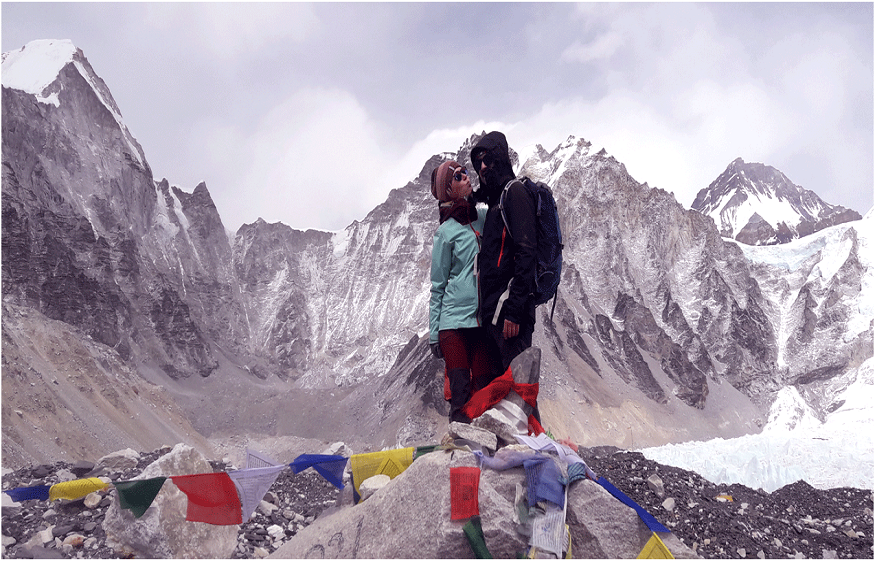
Before Lukla’s airstrip existed, every single Everest expedition — including Hillary and Tenzing’s in 1953 — started on foot from Jiri. Walking the Jiri to Everest Base Camp Trek today means retracing that same historic path, and there’s something genuinely moving about following in those footsteps rather than flying straight into the high mountains.
This route is longer, no doubt about it, but that’s part of the appeal. You pass through traditional villages that rarely see foreign trekkers, cross old suspension bridges strung over roaring rivers, and walk through forests of pine and rhododendron that change character as you climb higher. Because the altitude gain is so gradual — you’re basically walking up from around 1,900 meters rather than flying straight into Lukla at 2,860 meters — your body has far more time to adjust naturally.
The trade-off is time and effort. This isn’t a trek to squeeze into a short holiday. But trekkers who’ve done both routes will often tell you the Jiri approach feels richer, more authentic, and somehow more earned. Fewer tourists, more real Nepal, and a stronger sense of the journey climbers made decades ago before infrastructure caught up with ambition.
Everest Base Camp Trek Without Flight to Lukla: Why Many Trekkers Prefer This Route
For a lot of people, the deciding factor isn’t romance or history — it’s practicality. The Everest Base Camp Trek Without Flight to Lukla solves the single biggest headache of Everest trekking: flight uncertainty. Kathmandu-Lukla flights get grounded regularly due to fog, wind, or cloud cover, sometimes for days at a stretch, and that can derail an entire trip.
Driving to the trailhead instead — usually via Jiri or Salleri — removes that risk entirely. You control your own schedule instead of being at the mercy of an airline and mountain weather. It’s also considerably cheaper, since domestic flights to Lukla aren’t exactly budget-friendly, especially in peak season when prices climb along with demand.
There’s an environmental upside too. Fewer short-haul flights into a fragile mountain airstrip means a smaller footprint, and the overland journey lets you pass through parts of rural Nepal that flying straight over completely skips. You’ll see terraced farmland, market towns, and daily life in the hills before you even start climbing.
And here’s the thing worth repeating: this route still gets you to the exact same Everest Base Camp. You’re not missing the destination — you’re just getting there with more story to tell, less stress along the way, and a deeper feel for the country you’re walking through.
Comparing These Four Trekking Options
| Trek | Duration | Difficulty | Best For | Highlights |
| Pikey Peak trek, 4 days | 4 Days | Easy–Moderate | Beginners | Everest sunrise views |
| Pikey Peak trek, 7 days | 7 Days | Moderate | Culture & Photography | Villages and mountain scenery |
| Jiri to Everest Base Camp Trek | 20–24 Days | Challenging | Experienced trekkers | Classic Everest route |
| Everest Base Camp Trek Without Flight to Lukla | 18–21 Days | Moderate–Challenging | Travelers avoiding flights | Road journey + Everest Base Camp |
Laid out like this, the differences become pretty obvious. If you’ve only got a few days, Pikey Peak wins easily. If you want the full Everest experience without ever setting foot on a small plane, the road-based options are where you should be looking.
Best Time for These Nepal Treks
Spring (March to May) is a favorite for good reason. Rhododendrons bloom across the hillsides, skies tend to stay clear, and temperatures sit at a comfortable range for long days of walking. It’s a particularly gorgeous time for the Pikey Peak trek, 4 days or the 7-day version, since the forest sections really come alive with color.
Autumn (September to November) is the other prime window. Visibility is usually at its best, weather stays stable for longer stretches, and you’ll often catch local festivals like Dashain or Tihar happening in villages along the way — a nice bonus whether you’re on the Jiri to Everest Base Camp Trek or the Everest Base Camp Trek Without Flight to Lukla.
Winter brings cold but clear days and far fewer trekkers, which some people genuinely prefer. Monsoon season (June to August), on the other hand, is best avoided — trails get muddy, leeches show up in the lower forests, and mountain views disappear behind clouds for days at a time.
Accommodation, Food, and Local Experience Along the Route
Tea houses along these routes are simple but comfortable, and the hospitality tends to be the highlight for a lot of trekkers. Sherpa families running these lodges will often go out of their way to make sure you’re warm, fed, and looked after, even when the place is basically fully booked.
Food-wise, dal bhat is the trekking staple for a reason — it’s filling, it’s usually unlimited on refills, and it gives you the energy you need for long climbing days. You’ll also come across Tibetan bread with honey or jam for breakfast, hearty noodle soups, and in higher villages, local yak cheese that’s worth trying at least once. Lodges get more basic the higher you climb, but even then, a hot bowl of soup after a cold day on the trail feels like the best meal you’ve ever had.
Which Trek Should You Choose?
It really comes down to time, fitness, and what kind of experience you’re after. Beginners or anyone with a short window should look at the Pikey Peak trek, 4 days — it delivers big mountain views without demanding weeks of your schedule. If you’d rather slow things down and soak up more culture along the way, the Pikey Peak trek, 7 days, gives you that extra breathing room.
For those chasing a genuinely classic, history-rich Everest experience, the Jiri to Everest Base Camp Trek is tough to top, even if it asks more of your legs and your calendar. And if flight cancellations are your main worry — or you simply want to avoid the Lukla runway altogether — the Everest Base Camp Trek Without Flight to Lukla gets you there by road, with a lot less stress and a lot more of rural Nepal along the way.
Conclusion
Everest trekking isn’t a one-size-fits-all experience, and honestly, it shouldn’t be. Whether you go for the quick reward of the Pikey Peak trek, 4 days; the fuller immersion of the Pikey Peak trek, 7 days, the historic depth of the Jiri to Everest Base Camp Trek; or the practical peace of mind that comes with the Everest Base Camp Trek Without Flight to Lukla, you’re choosing a route that offers something the standard fly-in trek simply can’t.
Read More : The Ibiza Yacht Charter Packing List: Essentials for a Day at Sea
Nepal’s mountains reward patience, and these lower-traffic trails prove that the journey matters just as much as the destination. Think honestly about how much time you have, how your fitness holds up on long trekking days, and what kind of experience you actually want — then pick the trail that matches it. Whichever one you choose, you’ll come home with stories the crowded main trail just doesn’t offer anymore.