
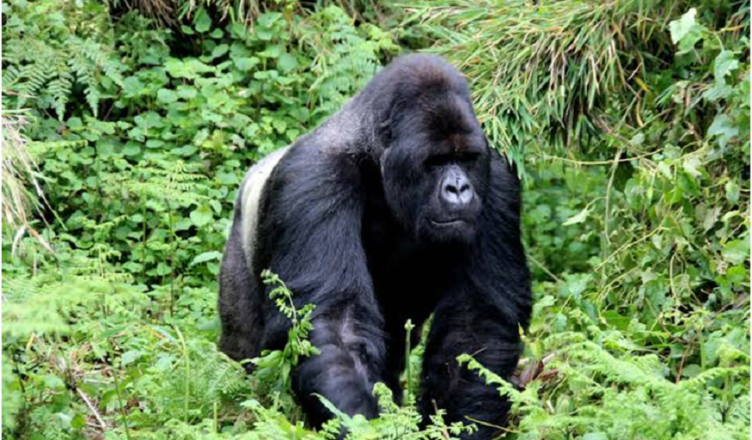
Picture this: you’re standing on a steep, muddy slope in the middle of a rainforest, your heart pounding a little faster than the hike alone would explain, and then the ferns in front of you part. A silverback gorilla, easily 400 pounds of pure muscle, looks up at you with an expression that’s almost unsettlingly human. You’re maybe seven meters away. Nobody moves. Nobody speaks. It’s just you, the forest, and one of the rarest animals left on Earth.
That moment is why people fly halfway around the world for gorilla trekking. But getting to that moment isn’t always simple. Between confusing permit systems, choosing the right national park, figuring out realistic costs, and wondering if you’re fit enough for a jungle hike at altitude, first-time travelers often end up more stressed about planning than excited about the trip. That’s exactly what this gorilla trekking guide is here to fix.
Uganda, in particular, has earned a reputation as one of Africa’s greatest wildlife destinations, and for good reason—more on that shortly. This guide walks through everything from permits and preparation to the best time to visit, realistic budgeting, packing smart, staying safe, and choosing Uganda gorilla tours that match your travel style. Travelers often compare itineraries and practical advice from experienced safari companies such as Forever Africa Safari, but understanding how gorilla trekking works is the best place to start before making any booking decisions.
Why Gorilla Trekking Is One of Africa’s Greatest Wildlife Experiences
A Rare Opportunity to Meet Mountain Gorillas
Mountain gorillas are one of the most endangered great apes on the planet. Decades of habitat loss, poaching, and civil conflict pushed their numbers dangerously low, and for a long time it looked like they might not survive at all. Thanks to sustained conservation work, their population has slowly climbed back—but there are still only around 1,000 left in the wild, living in a handful of protected forests along the Uganda-Rwanda-Congo border. Seeing one isn’t like seeing an elephant on a game drive. It’s a genuinely rare privilege, and every trek directly supports the reason these animals are still around at all.
What Makes Uganda Different From Other Gorilla Destinations
There are only three countries where gorilla trekking is possible, but Gorilla Trekking Uganda tends to come out on top for most travelers, and it’s not just marketing hype. Uganda is home to over half the world’s remaining mountain gorillas, so your odds of a successful sighting are genuinely high. Permits here also cost noticeably less than in neighboring Rwanda, which matters a lot once you’re budgeting a whole trip. Add to that the sheer beauty of Uganda’s rainforest—thick, green, dripping with mist in the early morning—and it’s easy to see why gorilla trekking in Uganda has become the go-to choice. Whether you book a gorilla safari in Uganda as part of a bigger East Africa itinerary or as a standalone trip, the combination of affordability, accessibility, and near-guaranteed sightings is hard to beat.
Where to Go for Gorilla Trekking in Uganda
Bwindi Impenetrable National Park
Bwindi is the heavyweight when it comes to Ugandan gorilla trekking. It’s a UNESCO World Heritage Site and holds the largest population of habituated mountain gorillas anywhere in the world. The park is split into four trekking sectors — Buhoma, Ruhija, Rushaga, and Nkuringo — each with its own gorilla families and its own terrain, so there’s flexibility depending on your fitness level and where you’re staying. Because it has so many trekking permits available across multiple sectors, Bwindi tends to suit most travelers, from first-timers to seasoned safari-goers.
Mgahinga Gorilla National Park
Mgahinga is the quieter cousin. It’s smaller, it sees far fewer visitors, and it sits at the base of three dramatic volcanoes, which makes for some genuinely stunning scenery. It’s also one of the only places in Uganda where you can go golden monkey trekking, which pairs beautifully with a gorilla trek if you have an extra day. If Bwindi is the reliable crowd-pleaser, Mgahinga is for travelers who want something a bit more off-the-beaten-path and don’t mind a smaller pool of available gorilla families. Honestly, you can’t go wrong with either—it mostly comes down to how much solitude you want versus how many trekking options you need.
How Gorilla Trekking in Uganda Works
Gorilla Trekking Permit Process
Permits exist because park authorities strictly limit how many people can visit each gorilla family per day — usually just eight visitors. This keeps stress on the gorillas low and protects them from disease, since they share about 98% of their DNA with humans and can catch human illnesses fairly easily. Because demand is high and spots are limited, it’s smart to book permits several months ahead, especially if you’re traveling during peak season. Most travelers go through a licensed tour operator to handle this, since they know which sectors have availability and can often secure permits faster than trying to book independently. Established operators, including Forever Africa Safari, generally assist travelers with permit availability, accommodation planning, and transportation logistics, making the overall planning process much simpler, especially during the busiest trekking seasons.
What Happens on Trekking Day
You’ll wake up early—really early—and head to the park headquarters for a briefing around 7:30am, where rangers go over safety rules and assign you to a specific gorilla family based on your fitness level. From there, you set off into the forest with armed rangers and trackers who already have a rough idea of where the gorillas were last spotted. The hike itself can take anywhere from 30 minutes to several hours through thick vegetation, muddy trails, and the occasional streambed crossing. Then, almost without warning, someone up front raises a hand — and there they are. You get exactly one hour with the gorillas, watching them forage, play, and go about their day just a few meters away, before making your way back out of the forest, muddy, sweaty, and completely unforgettable.
Best Time for Gorilla Trekking Uganda
Dry Season Advantages
The dry months, roughly June through September and December through February, are when most people choose to trek. Trails are firmer and less slippery, which makes the hike noticeably easier, and the lighting tends to be better for photos. Because it’s the most popular window, though, permits sell out faster and prices at lodges tend to climb.
Wet Season Benefits
Don’t write off the rainy months too quickly. The forest is at its most lush and photogenic, there are fewer tourists on the trails, and permits are generally easier to get last minute. Lodge rates also tend to drop, which is great if you’re traveling on a budget. Yes, the trails get muddier and the hiking is a bit tougher—but with the right boots and a bit of patience, plenty of travelers actually prefer this quieter season.
Gorilla Trekking Uganda Costs Explained
Gorilla Permit Costs
A standard gorilla trekking permit in Uganda currently runs around $800 USD for foreign non-residents. That fee covers your one hour with the gorillas, park entry for the day, the ranger-guided trek, and a contribution to conservation and local community projects—so it’s steep, but it’s going toward something meaningful.
Other Expenses to Budget For
The permit is just one piece of the puzzle. You’ll also need to factor in accommodation, which ranges from simple guesthouses to high-end luxury lodges near the park, plus transportation to reach Bwindi or Mgahinga (both are a fair drive from Entebbe, so many people fly domestically or add a day for the road trip). Then there’s your trekking guide and porter fees, meals, and tips for your driver, guide, and porter, which are customary and appreciated. Budget travelers can get by on a modest daily spend by choosing community campsites and local transport, while those wanting more comfort should expect to pay considerably more for private transfers and upscale lodges.
What to Pack for a Gorilla Safari in Uganda
You don’t need a mountain of gear, but a few specific items genuinely make or break the experience. Sturdy, broken-in hiking boots are non-negotiable — the terrain is steep, muddy, and unpredictable, and the wrong shoes will ruin your day fast. Long trousers and a long-sleeved shirt protect you from stinging nettles and biting insects hiding in the undergrowth, and a lightweight rain jacket is essential no matter what season you’re visiting, since rainforest weather changes on a dime. Gardening gloves are a small thing that surprisingly makes a big difference when you’re grabbing onto thorny vines for balance. Bring a small daypack for water, snacks, and your camera, since you’ll want fuel and energy for what can be a multi-hour hike. Insect repellent rounds out the list — the forest doesn’t lack for mosquitoes and biting flies, and you’ll be glad you packed it.
Fitness Level and Trekking Difficulty
Is Gorilla Trekking Hard?
This depends a lot on which gorilla family you’re assigned and how they’ve moved that day. Some treks wrap up in under an hour; others push past four or five hours through dense, uneven forest terrain. Add in altitude—Bwindi sits between 1,160 and 2,607 meters above sea level—and unpredictable weather, and it’s fair to say this isn’t a walk in the park, literally. That said, it’s absolutely achievable for most reasonably active people.
Tips to Make the Trek Easier
A little preparation goes a long way. Doing some hill walking or general cardio in the weeks before your trip helps more than people expect. Hiring a porter is genuinely one of the best decisions you can make—they carry your bag, help pull you up steep sections, and the fee goes directly to local community members. Stay hydrated throughout, and don’t be afraid to set your own pace; the guides are used to groups moving at different speeds and will adjust accordingly.
Read More: Where Rivers Meet the Peaks: 2025/2026 Plan
Responsible Gorilla Tourism and Conservation
Tourism is, somewhat counterintuitively, one of the biggest reasons mountain gorillas are still alive today. Permit revenue funds anti-poaching patrols, habitat protection, and veterinary care for the gorilla families, while a portion goes directly back into local communities through schools, healthcare, and infrastructure — which gives villages a real incentive to protect the forest rather than exploit it. As a visitor, you’re expected to follow a few important rules: keep at least seven meters from the gorillas, skip flash photography since it can startle them, and postpone your trek if you’re feeling unwell, since gorillas are highly susceptible to human respiratory illnesses. Always follow your ranger’s instructions without hesitation—they know the gorillas’ behavior far better than any guidebook can teach you.
Choosing the Right Uganda Gorilla Tours
Group Tours vs. Private Tours
Group tours are the budget-friendly option, splitting transport and guide costs across several travelers, though you’ll be working around a shared itinerary. Private tours cost more but give you full control over pacing, timing, and route, which some travelers find worth the extra spend, especially if you’re combining trekking with other activities.
Questions to Ask Before Booking
Before handing over any money, get clear answers on whether the permit is actually included in the quoted price or billed separately, what standard of accommodation you’re getting, and how experienced the guides actually are. Ask about transport arrangements, how large your trekking group will be, and — importantly — whether there are any hidden costs like park fees or fuel surcharges that tend to show up later. A reputable operator won’t dodge these questions. Many experienced companies, including Forever Africa Safari, provide detailed pre-trip information so travelers understand exactly what is included, how permits are handled, and what to expect before arriving in Uganda. Comparing this information between operators can help you choose the option that best matches your travel plans.
Helpful Travel Tips for First-Time Gorilla Trekkers
If you can, fly into Uganda a day before your trek so jet lag and travel fatigue don’t work against you on trekking morning. Carry some cash in small bills for tipping your guide, porter, and driver, since card payments aren’t always practical in the field. Hire a porter even if you consider yourself fit — trust me, your knees will thank you on the way down. Keep your camera charged and within reach, but don’t spend the whole hour staring through a lens; plenty of trekkers regret not just watching with their own eyes for a few minutes. And really listen during the ranger briefing — it’s short, but it covers exactly what you need to know to keep both you and the gorillas safe.
Conclusion
At the end of the day, this gorilla trekking guide comes down to one simple truth: few wildlife experiences on Earth compare to standing in front of a wild mountain gorilla in its own forest. Uganda Gorilla Trekking offers that moment at a more accessible price point and with better odds than almost anywhere else in the world, which is exactly why it’s earned its reputation as one of Africa’s must-do adventures.
The key to making your gorilla trekking experience unforgettable rather than stressful is thoughtful planning. Book your permits well in advance, understand exactly what is included in your itinerary, pack appropriately, and prepare for the physical demands of trekking through the rainforest. Many travelers compare licensed operators, including Forever Africa Safari, alongside other reputable companies when planning their Uganda gorilla tours, but the most important decision is choosing an operator that matches your budget, travel style, and expectations. By respecting park regulations and following your ranger’s guidance, you’ll leave with more than incredible photographs—you’ll also know your visit helped support mountain gorilla conservation and local communities. If a gorilla safari in Uganda has been on your bucket list, there’s never been a better time to start planning this once-in-a-lifetime adventure.
Frequently Asked Questions
Is gorilla trekking in Uganda safe?
Yes, generally very safe. Treks are led by experienced, armed park rangers, and the areas around Bwindi and Mgahinga are well-established for tourism. As with any wilderness activity, following your guide’s instructions is key.
How much does gorilla trekking cost in Uganda?
The permit itself costs around $800 USD per person. On top of that, factor in accommodation, transport, guide and porter fees, meals, and tips—total trip costs vary widely depending on whether you’re traveling budget or luxury style.
What is the best month for gorilla trekking in Uganda?
The dry seasons (June–September and December–February) offer easier hiking and better visibility, while the wetter months bring fewer crowds, lush scenery, and often better permit availability. Neither is objectively the “best”—it depends on your priorities.
How difficult is gorilla trekking in Uganda?
It varies from a short, easy walk to a demanding multi-hour hike over steep, muddy terrain at altitude. Most moderately fit travelers manage it fine, especially with a porter’s help.
Can beginners do gorilla trekking in Uganda?
Absolutely. Rangers assign trekking routes based on fitness level, and porters are available to assist anyone who needs it. You don’t need to be an athlete—just reasonably active and willing to take it slow.